
How a San Diego Home Interior Photographer Brings Living Spaces to Life
San Diego light does its own thing. Bright most of the time, a little hazy by the water, sharper once you head inland. You either work with it or spend the whole session fighting it.

San Diego light does its own thing. Bright most of the time, a little hazy by the water, sharper once you head inland. You either work with it or spend the whole session fighting it. Doing this as a San Diego home interior photographer means watching the rooms and the sky at the same time. Some houses just open up. Others take more waiting before anything starts looking right.
Let’s be real. Plenty of interior photos still look like nobody lives there. Everything wiped down, furniture lined up perfect, no real life in sight. Truth is those shots go flat pretty quick. What works better is catching the space the way it feels when people are actually around. The chair pulled out a bit. Light hitting the floor in a certain way. Small stuff that keeps the place from looking staged.
Coastal Light Makes You Adjust Fast
Mornings here can stay soft if the marine layer hangs around. Once it lifts the light gets stronger and you have to watch the windows. Midday glare shows up a lot. Late afternoon brings longer shadows and warmer color. I usually hit the rooms that lose light first. Save the brighter ones for later. Not complicated but you have to stay ready to change plans because conditions shift on you.
I keep extra lights low. Natural light still looks the most honest in these houses. Add too many and the rooms start feeling fake. Clients notice when the photos look different from the house they walk through every day. That gap is what we try not to create.
Mistakes That Keep Showing Up
Trying to make every room look bigger than it really is causes issues. Wide lenses help but only so far. Stretch things too much and the space starts looking weird. Another one is cutting off how rooms connect. A lot of San Diego homes flow right out to the patio or yard. Lose that in the photos and you lose part of what makes the house work.
Clearing every surface is another problem. People hide the mail, the books, anything that shows someone lives there. The short answer is that it usually works against the final images. A little real stuff in the frame keeps the place from looking cold. Empty and perfect rarely feels inviting.
Houses Here Are Not All the Same
Coastal places often have more glass and open layouts. Inland ones can feel tighter or have windows in different spots. You change how you shoot. In the bright open rooms I work on controlling the light so windows do not blow out. In darker ones I take more time with the exposures and angles. No single method works for every layout. You look at the house and adjust.
That need to switch things up shows when work moves north. Taking on jobs as an Orange County home photographer means different architecture and slightly different light. The core idea stays the same though. Respect the space. Work with the light you get. Do not force a look that does not belong.
What People Get Wrong Before I Show Up
A lot of homeowners think the place has to be completely empty and staged like a model home. Rarely true. We tidy the obvious clutter and maybe move a couple pieces so the lines look better. The personality of the house should stay. If everything looks brand new and untouched the photos lose warmth fast.
Time gets underestimated too. Proper interior work takes longer than most expect. Waiting on light. Checking details. Moving between setups. Rushing shows up later in the images. Better to use the extra time than end up with a flat set.
Putting Together Images That Do Something Useful
Pretty pictures alone are not the point. Sellers need photos that help people picture living there. Designers and builders need clear views of the work without extra junk. I shoot wide for the overall feel and tighter for texture and light. The mix tells more than either would by itself.
Editing stays light. Clean small distractions and even out the light but leave the rooms the shape they are. No inventing windows or stretching walls. Overdone interiors look good for a second then start feeling plastic. Real ones hold up better.
Staying Consistent When the Location Changes
Shoot enough houses and patterns start showing up. Certain times of day work cleaner in certain spots. Some styles photograph easier. But every place still has its own odd bits. That keeps the work from getting boring. You cannot just repeat the same moves. Photos drop off when you do.
The same basic patience applies when projects head into Orange County. A solid Orange County home photographer still needs to pay attention and not force things. Different light. Different buildings. Same respect for the space.
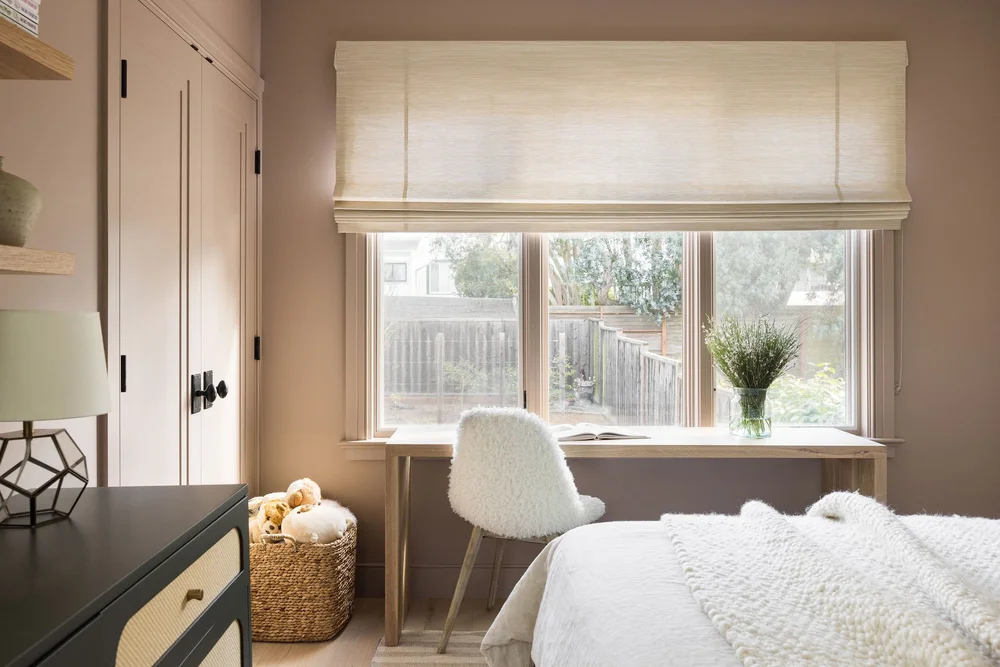
In the end the photos that work do not try hard to impress. They just feel right. Like the room is ready for someone to walk in. That is the measure I keep using. If someone looks longer than a quick glance then the job got done properly.
FAQs
How much does time of day matter for San Diego interior shoots?
Quite a bit. Soft morning light or late afternoon usually gives the most natural look. Midday can work but the stronger sun makes windows and shadows harder to handle.
Do I need a stylist before the session?
Most times no. Light tidy and a few small moves are enough. Heavy styling often makes the rooms look less like a real home.
What about darker rooms or tricky windows?
We deal with what is there. Longer exposures, careful angles, sometimes a bit of fill if it is really needed. Darker spaces can still come out fine.
How many images do I usually get at the end?
Depends on the house size and what we planned. Most full sessions cover the main rooms plus some detail shots.











Comments
0 comment