
Electrical Thermographic Surveys Melbourne for Early Fault Detection
An electrical thermographic surveys uses specialised infrared cameras to detect heat patterns in electrical systems.

For Melbourne businesses, early fault detection isn't just a nice-to-have it's absolutely vital. Electrical failures can lead to devastating consequences, from costly equipment damage to dangerous workplace fires. The good news? Electrical thermographic surveys offer a non-invasive way to identify hidden problems before they escalate. Using thermal imaging technology, these surveys detect heat anomalies that indicate potential faults, giving you the chance to address issues proactively.
We will explore everything you need to know about electrical thermographic surveys in Melbourne. You'll discover how thermal imaging works, what equipment gets inspected, and why regular surveys are essential for your property. We'll also cover costs, how to choose the right provider, and what to expect during the inspection process. Whether you're managing a commercial building, industrial facility, or strata property, this information will help you protect your investment and keep your operations running smoothly.
What Is an Electrical Thermographic Surveys?
An electrical thermographic surveys uses specialised infrared cameras to detect heat patterns in electrical systems. It's a non-contact, non-destructive inspection method that identifies potential faults without disrupting your operations. Think of it as giving your electrical infrastructure a health check-up one that reveals problems invisible to the naked eye.
How Thermal Imaging Technology Works
Thermal imaging cameras capture infrared radiation emitted by objects based on their temperature. Every electrical component generates some heat during operation, but excessive heat typically signals a problem. The camera converts this infrared data into a visual image, displaying temperature variations through different colours.
What Does a Thermographic Survey Detect?
Thermographic surveys identify a wide range of electrical issues. Loose or corroded connections create resistance, generating excess heat that's easily spotted. Overloaded circuits, unbalanced loads, and faulty breakers all produce distinctive thermal patterns.
Why Are Electrical Thermographic Surveys Important for Fault Detection?
Prevention is always better than cure, especially when electrical faults are involved. Thermographic surveys provide a proactive approach to maintenance, catching problems in their early stages.
Identifying Hidden Electrical Hazards
Many electrical faults develop gradually, hidden behind panels and within equipment housings. By the time visible signs appear like smoke, sparks, or burning smells significant damage has often occurred. Thermal imaging reveals these hidden hazards before they become dangerous.
Preventing Costly Downtime and Equipment Failure
Electrical thermographic surveys help you schedule maintenance strategically. When you know which components are showing signs of stress, you can prioritise repairs and budget accordingly. This planned approach minimises downtime and extends the lifespan of your electrical infrastructure.
How Often Should Electrical Thermal Imaging Be Conducted?
The frequency of thermographic surveys depends on several factors, including your industry, equipment age, and operational demands.
Recommended Survey Frequencies by Industry
High-risk environments like manufacturing plants and healthcare facilities typically benefit from annual surveys. These settings have complex electrical systems operating under demanding conditions, making regular monitoring essential.
Commercial properties and office buildings might opt for surveys every two to three years, depending on the age of their electrical infrastructure. Properties with older wiring systems or a history of electrical issues should consider more frequent inspections. Critical facilities like data centres often conduct quarterly or semi-annual surveys to maintain optimal uptime.
Signs Your Melbourne Property Needs an Immediate Survey
Certain warning signs warrant immediate attention. Flickering lights, frequently tripping breakers, or burning odours near electrical equipment all suggest potential problems. Discolouration around outlets or switches indicates overheating that requires investigation.
Benefits of Electrical Thermographic Surveys for Melbourne Properties
Investing in thermographic surveys delivers multiple benefits beyond simple fault detection.
Enhanced Workplace Safety and Compliance
Workplace safety obligations require employers to maintain safe electrical systems. Regular thermographic surveys demonstrate your commitment to meeting these responsibilities. They provide documented evidence that you're actively monitoring and maintaining your electrical infrastructure.
Reduced Maintenance Costs and Extended Equipment Lifespan
Addressing faults early prevents minor issues from becoming major repairs. A loose connection identified during a survey might require a simple tightening, while the same fault left undetected could eventually damage expensive equipment.
What Equipment Is Inspected During a Electrical Thermographic Surveys?
A comprehensive survey examines all accessible electrical components throughout your property.
Switchboards and Distribution Boards
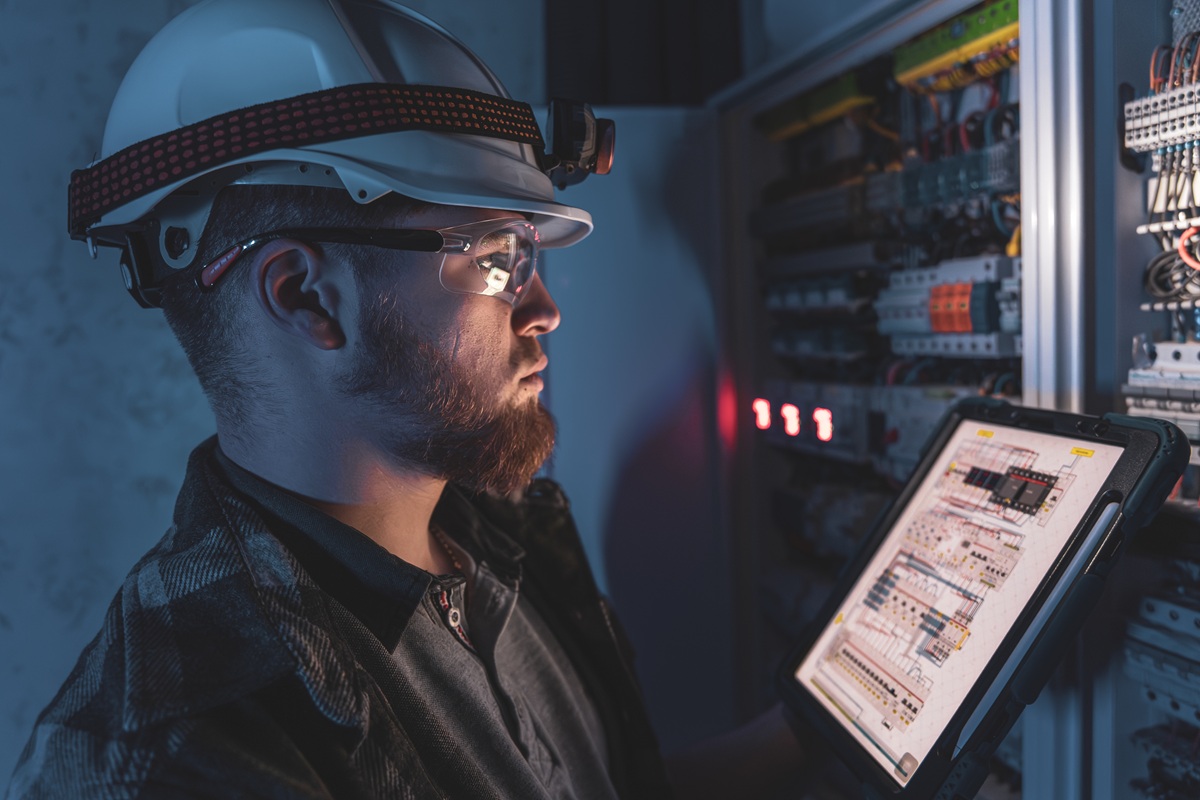
Main switchboards and distribution boards receive particular attention during surveys. These components handle significant electrical loads and contain numerous connections that can develop faults. Thermographers inspect individual circuit breakers, busbars, and all incoming and outgoing connections.
Motors, Transformers, and Industrial Equipment
Industrial properties benefit from surveys that include motors, transformers, and other heavy equipment. These components generate substantial heat during operation, and thermal imaging can identify bearing problems, winding faults, and cooling system issues.
Choosing the Right Thermographic Survey Provider in Melbourne
Qualifications and Certifications to Look For
Look for thermographers with relevant certifications, such as those from the Australian Institute of Thermography or equivalent bodies. They should hold appropriate electrical licences and carry professional indemnity insurance. Experience with your property type whether commercial, industrial, or strata demonstrates relevant expertise.
The Electrical Thermographic Surveys Process: What to Expect
Pre-Survey Preparation
Your provider will request access to electrical documentation and discuss any known issues. Electrical systems should be operating under typical loads during the survey thermographers need to see equipment working as it normally would. You'll need to arrange access to all electrical rooms and ensure panels can be safely opened.
On-Site Inspection and Reporting
The thermographer systematically scans all accessible electrical equipment, capturing thermal images and noting any anomalies. Following the inspection, you'll receive a detailed report including thermal images, findings, and prioritised recommendations. Most providers deliver reports within a week, though urgent issues are communicated immediately.
Conclusion
Electrical thermographic surveys represent one of the smartest investments Melbourne businesses can make in their infrastructure. By detecting faults before they cause damage, these surveys protect your property, your people, and your bottom line. The non-invasive nature of thermal imaging means inspections happen without disrupting your operations.
Regular surveys should form part of your ongoing maintenance strategy. Whether you're managing a small commercial property or a large industrial facility, the benefits of early fault detection far outweigh the modest survey costs. You'll gain peace of mind knowing your electrical systems are operating safely and efficiently.











Comments
0 comment