
Hazardous Area Mine Lights: 12 Checks for Site Managers
Choosing the right hazardous area mine lights is essential for safety, visibility, and reliable performance. Here are 12 key checks site managers should consider before selecting mine lighting.

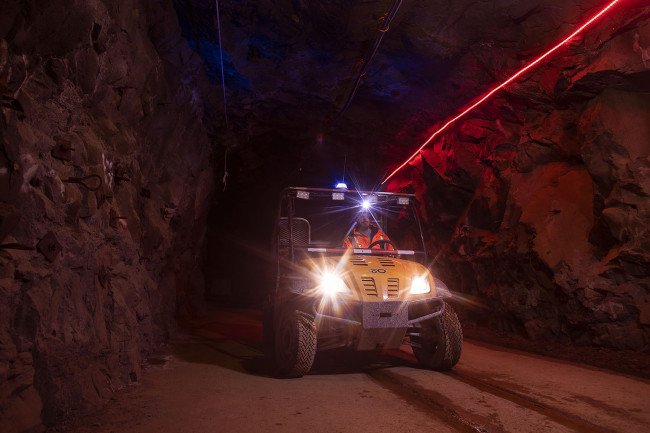
Lighting on a mine site is not a comfort item. It is a safety critical piece of equipment that has to perform reliably in some of the most demanding conditions any industrial environment can produce. Hazardous area mine lights are designed specifically for this, but not every fitting sold under that label is actually suited to every mining environment.
Site managers, procurement teams and safety officers responsible for lighting decisions need to understand more than just brightness and price. Zone classification, certification, environmental resistance and maintenance requirements all directly affect whether a light performs safely over its intended lifespan, or becomes a liability.
This guide breaks down the key considerations that should shape any decision around hazardous area mine lights, from certification through to long term maintenance planning.
Key Insight A hazardous area mine light is only as reliable as its weakest specification. A fitting with excellent brightness but poor sealing or the wrong certification can create more risk than it solves.
A Quick Overview of Mine Lighting Types
| Lighting type | Typical use |
| Fixed area lighting | Permanent illumination of tunnels, shafts and work areas |
| Portable handheld lights | Mobile lighting for inspections and confined spaces |
| Cap lamps | Personal lighting worn by underground workers |
| Vehicle mounted lighting | Fitted to mining vehicles and mobile equipment |
|
Emergency and standby lighting |
Backup illumination during power loss or evacuation |
The considerations below apply across most of these categories, though specific requirements can vary depending on the lighting type and location.
1. Understanding Zone Classifications in Mining
Mining environments are classified into hazardous zones based on the likelihood and duration of explosive gas or dust being present. Underground coal mines in particular carry a heightened risk due to methane gas, and lighting used in these environments must be rated for the specific zone it will operate in.
Using a fitting rated for a lower risk zone in a higher risk underground environment is a serious compliance failure and a genuine safety risk, regardless of build quality.
2. Confirming IECEx and Relevant Certification
IECEx certification is the primary international standard relevant to hazardous area equipment used in mining, alongside other regional certifications that may apply depending on the site's location and regulatory requirements.
Tip Always request certification documentation directly from the supplier and confirm it matches the specific zone and gas group relevant to your site, rather than relying on general product marketing claims.
3. Differentiating Underground and Surface Lighting Needs
Underground and surface mining environments place very different demands on lighting equipment. Underground lighting must account for confined spaces, limited natural light, higher humidity and the presence of explosive gases in many coal operations.
Surface lighting, while still often hazardous area rated depending on the site, generally deals more with exposure to weather, dust and vibration from heavy machinery rather than confined space and gas risk.
4. Checking Ingress Protection Ratings
Mining environments are dusty, and in many cases wet or humid as well. A high ingress protection rating is essential to prevent dust and moisture from compromising the internal components of a light fitting, which can lead to early failure or, in worse cases, ignition risk.
- Look for a high IP rating suited to both dust and water exposure
- Confirm seals are rated for the specific conditions of your site
- Check whether the rating applies to the full fitting, not just the housing
5. Assessing Vibration and Impact Resistance
Mining equipment and vehicles generate significant vibration, and mine lighting is frequently exposed to impact risk from equipment movement, rock fall or general site activity. Fittings should be tested and rated for vibration resistance, with housings built to withstand physical impact without compromising the seal or certification.
Practical example A light fitting mounted near a conveyor system may be exposed to continuous low level vibration for years. A fitting not rated for this can develop seal failures long before it reaches the end of its expected lifespan.
6. Evaluating Battery Life for Portable Lighting
For portable and handheld hazardous area lights, battery life and charging cycle durability are critical. Workers relying on portable lighting during inspections or maintenance work need confidence that the light will last the full duration of the task, particularly in remote or underground locations where charging is not immediately accessible.
7. Planning for Emergency and Standby Lighting
Emergency lighting is a critical safety requirement in underground mining environments. In the event of a power failure, workers need immediate, reliable illumination to safely evacuate or reach designated safety points.
- Confirm automatic activation during power loss
- Check the rated duration of emergency lighting under load
- Ensure emergency fittings meet the same hazardous area certification as primary lighting
8. Managing Thermal Performance
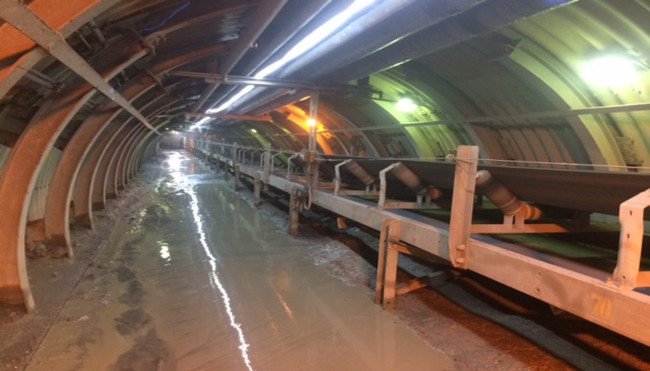
Surface temperature control is a core requirement of hazardous area lighting. Even certified fittings can pose a risk if heat is not managed properly over time, particularly in enclosed underground spaces with limited airflow.
A well designed hazardous area mine light will maintain safe surface temperatures even during extended continuous operation.
9. Considering Vehicle and Equipment Mounted Lighting
Lighting mounted to mining vehicles and mobile equipment faces a combination of vibration, impact and environmental exposure. These fittings need to be rated not only for the hazardous area classification of the site but also for the specific mounting conditions and movement involved.
Tip Vehicle mounted lighting should be reviewed separately from fixed area lighting, as the operational demands and failure risks are often quite different.
10. Building a Maintenance and Inspection Schedule
Even correctly certified hazardous area mine lights require regular inspection to confirm seals, housings and mountings remain intact. Vibration, dust ingress and general wear can compromise a fitting over time, even when the original certification was correct.
A clear inspection schedule, tied into broader site safety and maintenance programs, helps catch early signs of wear before they become a compliance or safety issue.
11. Choosing a Supplier With Mining Specific Experience
Suppliers who understand mining specific requirements, rather than general industrial hazardous area lighting, are better placed to recommend the right fitting for your site's zone classification, environment and equipment layout.
A knowledgeable supplier will ask detailed questions about your site before recommending a product, rather than offering a generic solution across all hazardous environments.
12. Weighing Upfront Cost Against Long Term Reliability
Lower cost lighting options can seem appealing, but hazardous area mine lights that fail early often need replacement in difficult or restricted access locations, increasing both direct cost and operational disruption. Long term reliability should be weighed as heavily as upfront price when comparing options.
Underground vs Surface Lighting Requirements
| Factor | Underground mining | Surface mining |
| Primary hazard | Explosive gas and confined space | Dust, weather and vibration |
| Zone classification focus | Often higher risk zones | Varies by site and equipment |
| Emergency lighting | Critical for evacuation | Important but less confined |
| Environmental exposure | Humidity, limited airflow | Weather, temperature extremes |
| Maintenance access | Often more difficult | Generally easier to access |
What Site Managers Should Expect From Quality Mine Lighting
Reliable hazardous area mine lighting should perform consistently under real site conditions, not just in controlled testing environments. Site managers should expect clear certification documentation, responsive supplier support and lighting that continues to perform safely well within its rated lifespan.
- Verified certification matching your site's exact zone classification
- Consistent performance under vibration, dust and moisture exposure
- Clear guidance on maintenance and expected service life
- Support from a supplier who understands mining specific conditions
- Transparent information on emergency lighting performance
Common Red Flags to Watch For
- Certification that does not clearly match your site's zone classification
- Vague or unavailable documentation on ingress protection ratings
- Suppliers unable to explain vibration or impact resistance testing
- Pressure to choose based on price alone without discussing site conditions
- No clear guidance on maintenance or inspection requirements
Frequently Asked Questions
What certification should hazardous area mine lights have?
This depends on the site and jurisdiction, but IECEx certification is a common international standard for hazardous area mining equipment. The specific certification required should match the zone classification and gas group relevant to your site.
Are underground and surface mine lights interchangeable?
Generally no. Underground lighting must account for confined spaces and, in many cases, explosive gas risk, while surface lighting deals more with weather and vibration exposure. Each should be assessed against the specific conditions of its intended use.
How often should hazardous area mine lights be inspected?
Inspection frequency depends on the operating environment, but most mining operations include lighting checks as part of broader scheduled maintenance, with more frequent checks in areas exposed to heavy vibration or moisture.
Final Takeaway
Choosing the right hazardous area mine lights involves far more than comparing brightness or price. Zone classification, certification, environmental resistance and ongoing maintenance all play a role in whether a fitting performs safely and reliably over its intended lifespan.
Site managers and procurement teams should use this guide as a starting point when reviewing current lighting or planning a new installation, and should be cautious of any supplier unwilling to discuss these details in depth.
Mineglow works with mining operations to supply hazardous area lighting suited to specific zone requirements, underground and surface conditions and the practical demands of active mine sites. If you would like guidance on the right lighting solution for your site, reaching out to the team is a straightforward first step.










Comments
0 comment