
Fashion Retail Trends: Creating More Memorable Experiences Through Better Product Presentation
For growing UK fashion businesses, presentation should therefore be viewed as part of the wider customer experience rather than a separate task. A well-presented product can reinforce trust, support brand identity and help turn a one-time purchase into the beginning of a longer customer relationship.

Fashion retail is changing quickly. Customers today are not only interested in the clothes they buy; they also care about the experience surrounding the purchase. From discovering a brand online to receiving an order at home, every interaction can influence how they feel about a business.
For UK fashion retailers, this creates an opportunity to think beyond clothing itself. Product presentation, customer service, website design and delivery can all contribute to a stronger brand experience.
As competition increases, businesses are looking for practical ways to make their products feel more valuable and memorable. Better presentation does not necessarily mean spending more. It means understanding what customers expect and paying attention to details that make the buying journey easier and more enjoyable.
How Product Presentation Is Changing Fashion Retail
The way fashion products are presented can influence a customer's first impression. A neatly arranged product with suitable presentation can feel more considered than an item that simply arrives in basic packaging.
This is particularly important for online fashion businesses. Customers cannot touch fabrics or see garments in person before ordering, so photographs, descriptions and presentation need to work together to communicate quality.
Packaging becomes part of this experience when an online order arrives. The customer has already interacted with the brand through a website, social media page or email. The delivered product should continue that same visual identity.
For example, a premium clothing company might use simple colours, clean typography and carefully arranged products. A streetwear brand may choose a more expressive visual style. Neither approach is automatically better; the important point is that the presentation should match the brand and its audience.
Retailers should also consider practical details. Clothing needs to remain clean, protected and neatly presented throughout storage and delivery. Packaging should be suitable for the garment without creating unnecessary bulk.
Small details can make the customer feel that the product has been prepared carefully. This can be especially valuable when customers are buying clothing as a gift.
Creating Consistency Across Online and Offline Experiences
Modern fashion customers may interact with a business through several channels before making a purchase. They might discover a brand on Instagram, visit its website, read reviews and eventually place an order through a mobile device.
This makes consistency increasingly important.
The colours, photography, tone and overall presentation should feel connected across these different touchpoints. When the parcel arrives, customers should still recognise the brand.
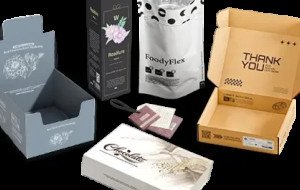
For fashion businesses, custom apparel boxes can provide an opportunity to continue this identity through the physical delivery experience. A suitable box can be designed around the type of garments being sold while providing a clean and organised presentation.
The packaging should still be practical. Businesses need to consider garment size, folding methods, storage space and delivery conditions before choosing a format.
Testing is useful before placing a larger order. Retailers can pack sample garments, store them for a period and send test parcels through their normal delivery process. This can reveal whether the package provides enough protection and whether the product remains presentable when it reaches the customer.
Another important factor is efficiency. Staff should be able to pack orders without unnecessary steps. A packaging format that looks attractive but takes too long to prepare may create problems during busy periods.
Customer feedback can also provide useful information. If buyers regularly mention that orders arrive neatly presented, the business has evidence that its approach is working. If customers report crushed packages or difficult opening, retailers can investigate and improve the process.
Personalisation, Sustainability and the Future Customer Experience
Personalisation is becoming an important part of modern retail. Customers increasingly appreciate experiences that feel relevant rather than completely generic.
Fashion retailers can introduce personal touches without making their operations complicated. A short thank-you message, carefully folded garment or simple branded presentation can make an order feel more considered.
Gift purchases provide another opportunity. When someone buys clothing for another person, they often want the package to look suitable for presentation. Packaging that feels organised and attractive can reduce the need for additional wrapping.
For businesses selling shirts, custom shirt boxes can help create a more structured presentation that suits the product. The format can be selected according to the garment size, brand style and delivery requirements.
Sustainability is another major consideration for modern fashion retailers. Clothing businesses are increasingly reviewing how much packaging they use and what happens to it after delivery.
Using an appropriately sized package can reduce unnecessary material. Retailers can also consider recyclable options where suitable and avoid decorative elements that have little practical value.
However, reducing packaging should not compromise protection. If a garment arrives damaged, stained or badly creased because the packaging was inadequate, the business may face a return or replacement. That can create additional transport, material use and costs.
A balanced approach is therefore more practical. Packaging should protect the product while avoiding unnecessary waste.
Fashion retailers should also consider the unboxing experience. Customers may photograph their purchases, share them on social media or recommend the brand to friends. While businesses should never rely on customers creating promotional content, attractive presentation can naturally encourage sharing.
The experience should feel genuine rather than overly designed for social media.
Technology is also changing how retailers manage customer experiences. Inventory systems can help track stock and packaging supplies, while customer relationship tools can identify purchasing patterns.
For example, a retailer may notice that customers who purchase certain products during the festive period are more likely to return later in the year. This information can help the business plan future campaigns and improve communication.
Data can also reveal operational problems. If returns are concentrated around particular products, retailers can investigate whether sizing information, product descriptions or presentation needs improvement.
The future of fashion retail will increasingly involve connecting these different elements. Product quality, website experience, delivery, packaging and customer service all contribute to the way people remember a brand.
Businesses do not need to transform everything at once. They can start by reviewing the customer journey from discovery to delivery and identifying the areas where customers experience the most friction.
A retailer might improve product photographs first, simplify its checkout process next and then review its packaging. Gradual improvements are often easier to manage and measure than major changes made without clear objectives.
The most memorable fashion experiences are not always created through expensive extras. They often come from consistency, convenience and attention to detail. When retailers understand their customers and make thoughtful improvements across the buying journey, they can create experiences that feel more professional and personal.
For growing UK fashion businesses, presentation should therefore be viewed as part of the wider customer experience rather than a separate task. A well-presented product can reinforce trust, support brand identity and help turn a one-time purchase into the beginning of a longer customer relationship.











Comments
0 comment