
Why Fence and Deck Contractors Are Adding Augers to Their Mini Excavators
See why fence and deck contractors are adding a mini excavator auger attachment to drill cleaner holes faster. Save 25% sitewide with code DIESEL25.

Ask a fence guy what slows him down most and he won’t say materials. He’ll say holes. Digging post holes by hand is miserable, and even with a rented gas auger you’re wrestling the thing, fighting rocks, and your back is done by lunch. Deck builders have the same problem with footings, just with more inspectors watching.
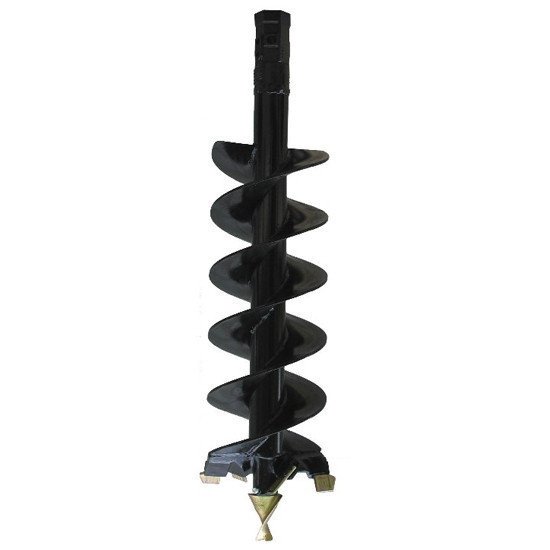
That’s why more crews are bolting a mini excavator auger attachment onto machines they already own. Nothing fancy about it. The excavator positions the bit, the hydraulics spin it, and you drill clean holes without anyone leaning on a handle. Same machine that trenched yesterday is setting posts today, and honestly that’s the whole appeal.
The Problem With Digging Holes the Old Way
Hand digging is slow, period. A post hole digger in clay or rocky soil can eat ten, fifteen minutes per hole if you’re lucky, and that’s before you hit a root. Do that forty times on a long fence run and you’ve burned a day for work a machine finishes in a couple hours.
Handheld augers are faster but they’re not great either. They kick, they bind up, they stall in anything dense, and somebody always gets a wrist twisted. Crews put up with it for years because it was just how things were done. Then they ran the numbers on labor and injuries and stopped putting up with it.
Why the Excavator Makes Sense for This
A mini excavator already has the reach and downward force that drilling needs. You’re not asking a skid steer to dig straight down while it bounces around, you’ve got a boom that places the bit exactly where the stake is and holds it there. Tracks keep things steady on soft ground too, which matters after a rainy week when everything’s mud.
It also fits where fence and deck work actually happens. Backyards, side lots, tight gates. A full-size rig won’t get in there, and a truck mounted drill is way overkill for a six-foot privacy fence. The mini excavator slips through, sets up, and goes to work without tearing up the lawn more than it has to.
What Kinds of Jobs Are Getting Done With It
Fence installers are the obvious ones, wood, chain link, farm fence, field fence, all of it starts with holes. Deck contractors use augers for footings, especially when they need consistent depth for frost lines and code. Landscapers drill for tree and shrub planting, pergola posts, signs, light poles. Farmers run them on pasture fencing and corral rebuilds, and municipal crews grab them for guardrail posts and signage along roadsides where budgets are tight and time is tighter.
Even regular equipment owners with a bit of acreage end up using one. A few weekends of fence building and the attachment’s already paid for itself compared to hiring the work out.
Picking an Auger That Actually Fits Your Machine
Don’t just buy the biggest one on the page. Your mini excavator has a certain hydraulic flow and pressure, and the drive unit needs to match it or you’ll get weak torque, slow drilling, or blown seals. Check the specs before you order, not after the box shows up.
Bit diameter matters too. Most fence posts are fine with a smaller bit, but deck footings and heavier posts call for wider holes. Plenty of buyers get a drive unit and a few bit sizes so they can switch without buying a whole new setup. Spartan Equipment sells augers built for this kind of mixed work, and the construction is meant to hold up when you hit hardpan or a stubborn rock instead of snapping on you halfway through.
Making It Work in Rocky or Hard Ground
Soil changes a lot from job to job. Clay sticks, sand collapses, and rock just ruins your morning. A decent auger with solid teeth and a good pilot bit will handle most of it, but you still have to run it right. Go slow when you hit resistance, lift the bit now and then to clear the spoil, and don’t force it. Forcing it is how bits bend.
If you know the ground is rough, plan for it. Extra teeth, maybe a rock-rated bit, and patience. It’s cheaper than replacing a drive unit because somebody got impatient.
Is It Worth Adding to the Lineup?
If you’re drilling more than a handful of holes a month, yeah, probably. Time saved on a single big fence job can cover a chunk of the cost. And the attachment doesn’t sit around between jobs because the machine keeps working for other stuff.
A good mini excavator attachment spreads its value across a lot of work. The auger pays off on fence days, the bucket on trench days, and the same excavator keeps earning instead of waiting around for the next specialty job. That’s the math contractors keep coming back to.
Wrapping It Up
Fence and deck crews aren’t chasing trends here. They’re just tired of slow, sore, inconsistent hole digging and found a cleaner way to do it. A mini excavator auger attachment gives you speed, accuracy and way less wear on your crew, and it works on tight sites where bigger equipment can’t go. If you’re already running a mini excavator, adding the right mini excavator attachment is one of the easier upgrades you’ll make this year.
Spartan Equipment is running 25% OFF SITEWIDE with code DIESEL25 this October, so if you’ve been putting this off, now’s a fine time to stop.












Comments
0 comment