
How Do You Compare Different Pavers for Outdoor Landscaping in Melbourne?
Compare outdoor pavers in Melbourne by material, durability, slip resistance, maintenance and appearance to find a suitable option for your landscaping project.

Choosing outdoor paving involves more than selecting a colour that complements a home. The right pavers Melbourne property owners choose should suit the intended use, local weather conditions, surrounding architecture and the level of maintenance expected. A driveway, garden path, entertaining area and poolside setting each have different practical requirements, making it important to compare materials before making a decision.
Among the available options, bluestone tiles are often considered for their distinctive natural appearance and suitability for a range of outdoor designs. However, their characteristics should be assessed alongside other paving materials rather than judged on appearance alone. Understanding the differences helps homeowners make a more informed selection for their outdoor spaces.
- Start With the Intended Use
The location of the paving should guide the comparison. Driveways require materials that can withstand vehicle loads, while garden paths need a stable walking surface. Outdoor dining areas benefit from paving that is comfortable to walk on and straightforward to maintain. Around swimming pools, slip resistance and suitability for wet conditions deserve particular attention.
- Compare Common Paving Materials
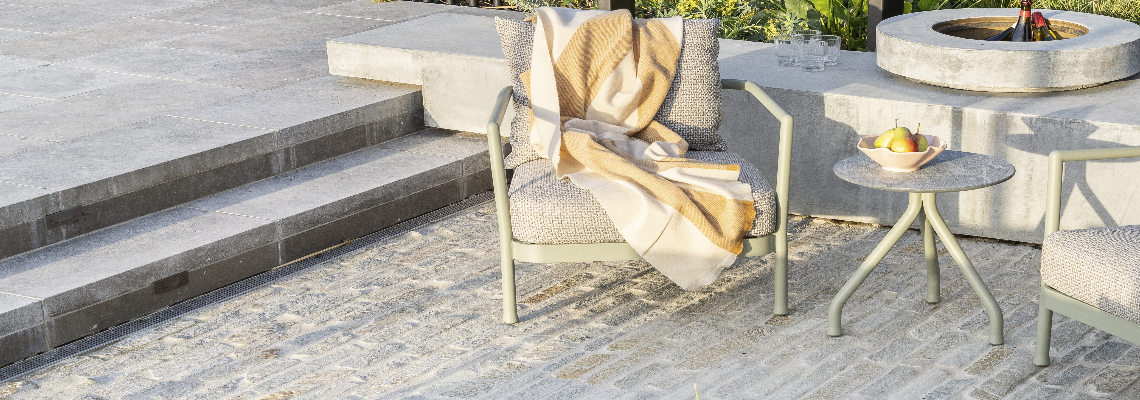
Natural stone offers variation in colour, texture and pattern, helping create a distinctive finish. Bluestone is often selected for its darker tones and understated appearance, which can complement contemporary and traditional properties.
Concrete pavers provide a broad selection of shapes, colours and finishes. They may suit projects where consistency and design flexibility are priorities. Porcelain paving can offer a refined appearance and relatively low water absorption, although the selected product must be rated for its intended outdoor application.
Clay or brick pavers bring warmth and a traditional character to courtyards and garden paths. Their colour range and surface texture differ from stone and concrete, so the surrounding landscape should influence the final choice.
- Look Beyond the Purchase Price
The initial material cost is only one part of the overall budget. Installation complexity, site preparation, drainage requirements, sealing and future maintenance can affect long-term expenditure. Irregular natural stone may require more specialised installation than standard modular pavers, depending on the product and layout.
Requesting comparable quotations can clarify what is included, from the paving material and labour to edge restraints and surface preparation. This helps prevent an apparently inexpensive option from becoming more costly once additional work is considered.
- Assess Appearance and Maintenance Together
Colour, texture, joint spacing and paving size influence how an outdoor area feels. Larger formats can create a more open appearance, while smaller units may suit curved paths or detailed patterns. Surface texture also affects cleaning and the accumulation of dirt.
Ask about staining, sealing, cleaning requirements and expected performance before committing to a material. The most suitable choice balances visual appeal with practical upkeep.
Make a Confident Paving Decision
Good paving brings together appearance, practicality and durability. By considering the intended use, material characteristics, installation requirements and surrounding landscape, property owners can make a more confident choice.
Planning an outdoor transformation? Explore different paving materials and finishes to find an option that suits your property's design and everyday needs.











Comments
0 comment