
What Makes A Quality Early Learning Environment For A Toddler In Mitcham?
Discover what makes a quality toddler learning environment in Mitcham, from caring educators and safe spaces to play-based learning and flexible routines.

A toddler’s early years are filled with new discoveries, developing relationships, and growing independence. Choosing the right toddler Mitcham early learning environment means looking beyond toys, colourful rooms, and daily activities. The quality of care, relationships with educators, opportunities for exploration, and sense of security all contribute to how comfortably a young child settles into a learning environment.
Parents exploring Mitcham education options may find it helpful to consider how a centre supports children’s emotional wellbeing, communication, physical development, and curiosity through everyday experiences.
What Should A Toddler’s Day Look Like?
Toddlers learn through movement, repetition, observation, and interaction. A suitable early learning environment provides opportunities for these experiences while allowing children time to rest and adjust to the day’s routine.
Rather than expecting toddlers to follow rigid schedules, educators should consider individual needs, including sleep patterns, interests, developmental stages, and comfort levels.
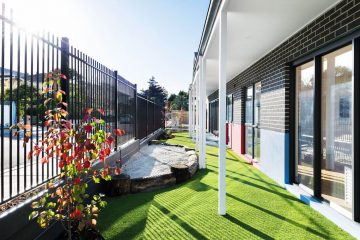
Four Features That Make A Difference
-
Warm And Responsive Educators
Young children need consistent, caring relationships with adults who respond to their needs. Educators who listen, offer reassurance, and communicate patiently can help toddlers build trust and feel more confident exploring their surroundings.
-
Safe Spaces For Exploration
Toddlers are naturally curious and often learn by touching, moving, climbing, and experimenting. Age-appropriate equipment, secure indoor and outdoor areas, and suitable supervision allow children to explore while managing everyday risks.
-
Play-Based Learning Opportunities
Play provides opportunities to develop language, coordination, imagination, and social skills. Activities involving blocks, books, music, sensory materials, and pretend play can encourage children to investigate ideas at their own pace.
-
Predictable Routines With Flexibility
Familiar routines around meals, rest, play, and transitions can help toddlers understand what happens throughout the day. Flexibility remains important because young children do not all respond to routines in the same way.
How Can Parents Recognise A Supportive Environment?
During a centre visit, pay attention to how educators interact with children rather than focusing only on the facilities.
Look for signs such as:
- Educators speaking calmly and respectfully.
- Children having access to varied play experiences.
- Indoor and outdoor spaces being maintained appropriately.
- Staff responding to children’s emotions and individual needs.
- Families receiving clear communication about daily experiences.
A quality toddler learning environment combines nurturing relationships, safe spaces, play-based experiences, flexible routines, and meaningful communication with families.












Comments
0 comment