
What Types of Waste Can Construction Waste Removals Companies Collect?
Learn which construction materials, renovation debris, bulky items and general rubbish can be collected, and what waste may require specialised disposal.

Construction and renovation projects can generate a surprising amount of unwanted material. From broken plasterboard to discarded timber, the waste produced varies according to the project’s size and stage. Professional construction waste removals companies help manage this material by collecting eligible waste and transporting it for appropriate disposal, recycling or recovery. Understanding what can be collected makes it easier to organise a site, maintain clear access and plan waste management before work begins.
For households and businesses clearing renovation leftovers, hard rubbish removals can also help manage bulky items that are difficult to transport independently. However, accepted materials and collection conditions vary between providers, so it is important to confirm the details before arranging a service.
- Common Construction and Renovation Waste
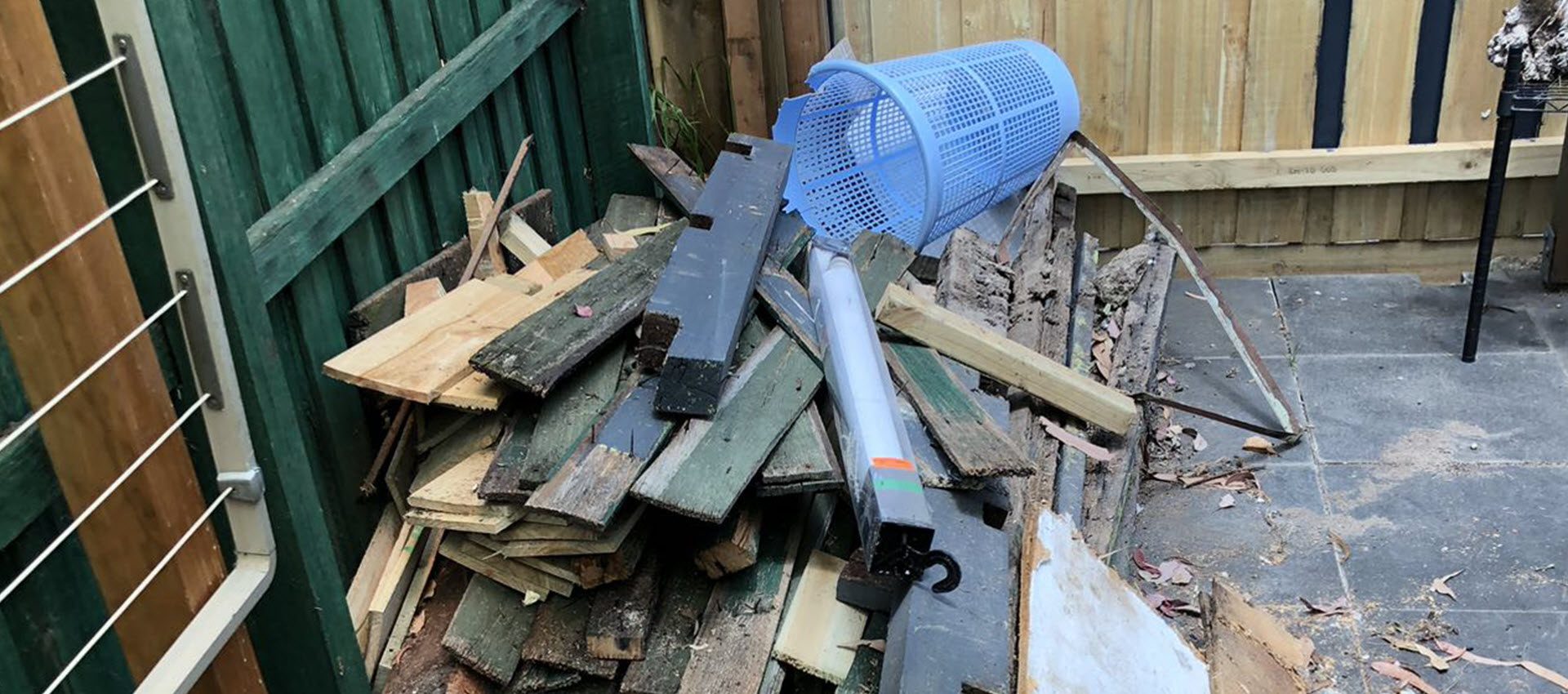
Building work often produces several categories of general construction debris. Depending on the provider’s acceptance policy, collections may include:
- Timber and offcuts: Unwanted framing timber, wooden boards, packaging timber and other untreated wood.
- Plasterboard and gyprock: Broken sheets and leftover pieces from wall or ceiling renovations.
- Bricks and masonry: Selected bricks, concrete fragments, tiles and other masonry debris, subject to weight limits.
- Metal scraps: Eligible steel, aluminium and other metal offcuts that may be suitable for recycling.
- Packaging materials: Cardboard, plastic wrapping and empty packaging generated by deliveries.
- Flooring and fittings: Discarded flooring, cabinetry components and certain fixtures removed during renovations.
The quantity, weight and condition of these materials can affect collection arrangements. Heavy rubble, in particular, may need separate handling from lighter mixed waste.
- What About Bulky Items?
Construction and renovation projects do not produce debris alone. Removing an old kitchen, updating a bathroom or preparing a property for sale may leave unwanted furniture, shelving, cupboards, doors and other bulky household items.
Depending on the service, these materials may be accepted alongside suitable renovation waste or collected through a separate booking. Confirming the permitted item list helps avoid delays on collection day.
- Materials That May Need Special Handling
Not every type of waste belongs in a standard rubbish collection. Asbestos-containing materials, chemicals, solvents, paints, gas cylinders and certain electronic or hazardous items may require specialised disposal arrangements. Suspected asbestos should not be disturbed or placed with ordinary construction debris.
Providers may also restrict contaminated soil, large concrete loads, liquids and unusually heavy materials. Australian waste regulations and facility requirements can affect the available disposal options.
- How to Prepare for Collection
Before booking, describe the waste types, approximate volume and collection location. Photographs can help a provider assess access requirements and determine whether separate loads are necessary. It is also worth asking whether sorting, loading, transport and disposal fees are included in the quoted price.
Before arranging collection, provide an accurate description of the waste, its estimated volume and the site's access conditions. Ask about prohibited materials, weight restrictions, sorting requirements and the intended disposal or recycling process.
A clear understanding of accepted waste categories helps reduce delays and supports more responsible project management. Contact a suitable removal provider to discuss your construction or renovation waste and confirm the collection arrangements before work begins.












Comments
0 comment