
Why is a Regular Skin Check Important for Skin Health?
Learn why regular skin checks are important, how to recognise skin cancer warning signs and when to seek a professional skin malignancy check.

A regular skin check is an important part of maintaining skin health and recognising changes that may require medical attention. Skin cancer can develop in different forms, and some changes may initially appear small or harmless. Regular skin checks help people become familiar with their existing moles, freckles, and marks.
For a more thorough assessment and to identify suspicious spots or changing lesions, people can have a professional skin malignancy check. Healthcare professionals may examine the skin for features associated with cancer and determine whether further investigation is needed. Several clinics offer skin check services, making regular examinations and early assessment relevant for people seeking information about skin health.
What Happens During a Skin Malignancy Check?
A skin malignancy check generally involves assessing the skin for lesions or changes that may indicate skin cancer. Depending on the appointment and the person's circumstances, a healthcare professional may ask about medical history, previous skin cancers, family history, sun exposure, and changes noticed in particular spots.
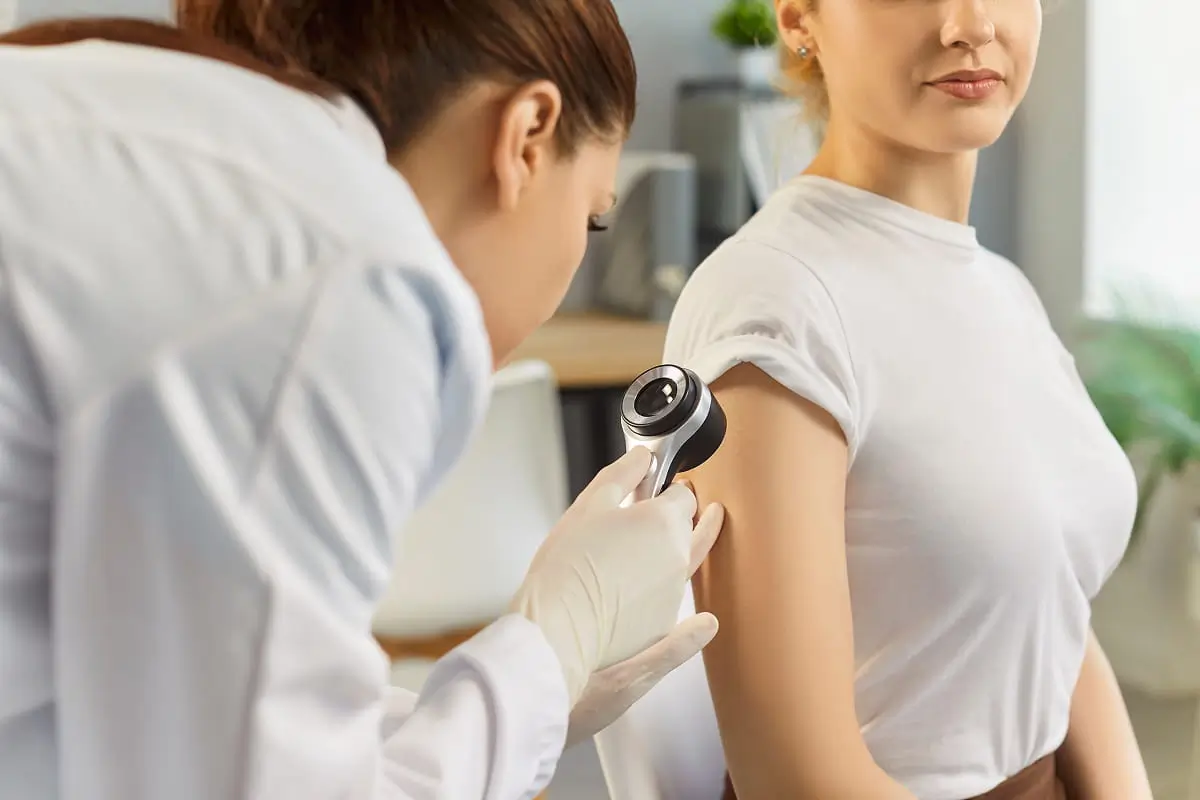
The examination may involve looking at moles, freckles, spots and other skin lesions across relevant areas of the body. A dermatoscope, which magnifies skin structures, may be used to examine certain lesions more closely. If a spot appears concerning, the clinician may recommend monitoring, a biopsy or referral for further assessment. A skin check does not automatically diagnose skin cancer; further testing may be needed to establish a diagnosis.
What Are the Common Warning Signs to Look for During a Skin Check?
One recognised method for identifying potentially concerning moles is the ABCDE guide. It encourages attention to asymmetry, border irregularity, colour variation, diameter and evolution, meaning a change in the appearance of a spot over time. These features can help identify lesions that need assessment, although not every skin cancer follows this pattern and some melanomas may be small.
A skin check should also account for spots that look different from surrounding moles, sores that don’t heal, persistent crusting, unusual bleeding, or new lesions that keep changing. A spot does not need to be painful or itchy to warrant medical attention. When you notice an unusual change, a professional skin malignancy check is better than relying on appearance alone to decide whether a lesion is harmless.
Who Should Consider a Professional Skin Check?
Skin cancer can affect people of different skin tones, ages, and backgrounds. However, certain factors can increase risk, including a history of significant ultraviolet exposure, previous skin cancer, a large number of moles, atypical moles, and a family history of melanoma. Outdoor occupations and recreational activities can also contribute to cumulative sun exposure.
People with these risk factors may benefit from discussing an appropriate examination schedule with a healthcare professional. The recommended frequency can vary according to personal history and clinical findings. A skin malignancy check may also be appropriate if a new or changing lesion appears, even if a routine appointment is already scheduled.
Why is Self-Monitoring Support a Skin Malignancy Check?
Self-monitoring helps people recognise what is normal for their skin. Checking visible areas periodically, using good lighting and a mirror when needed, can make changes easier to identify. Areas such as the scalp, back, soles of the feet and the skin between the toes may be overlooked, so assistance from another person can sometimes help with difficult-to-see locations.
Tracking a changing mole’s location and appearance can help during a professional appointment. Photographs taken at different times may provide useful context, as long as they do not delay medical assessment. However, self-monitoring cannot reliably determine whether a lesion is malignant. A professional skin check remains important when a spot looks unusual or develops new symptoms, and suspected skin cancer requires appropriate clinical evaluation.
Conclusion
Regular awareness of skin changes can support earlier assessment of potentially concerning lesions. Monitoring moles, recognising unusual changes and seeking professional advice when a spot appears suspicious are useful steps in maintaining skin health. A skin malignancy check can help identify lesions that need closer examination, although a definitive diagnosis may require a biopsy or other investigation. Combining professional assessment, sensible sun protection, and ongoing awareness can help people make informed decisions.












Comments
0 comment