
How Capital Deployment Software Helps Investment Firms Find and Close Better Deals
Explore how capital deployment software helps investment firms streamline deal sourcing, track opportunities, improve workflows, and make informed investment decisions.

Deploying capital effectively is one of the most important responsibilities for private market investment firms. Whether managing private equity, private credit, or real estate investments, deal teams must identify promising opportunities, evaluate potential risks, coordinate due diligence, and make informed investment decisions.
As investment activities grow, managing these processes through spreadsheets, emails, and disconnected applications can become challenging. Important deal information may remain buried in conversations, while teams struggle to maintain visibility across multiple opportunities.
This is where capital deployment software becomes valuable. A centralized platform helps investment teams organize deal information, improve collaboration, and manage opportunities from initial sourcing through closing.
Why Investment Firms Need Better Capital Deployment Processes
Capital deployment involves more than identifying companies or assets that match an investment strategy. Teams must evaluate opportunities, understand market conditions, review financial information, and coordinate with multiple stakeholders.
These activities often involve investment professionals, analysts, legal teams, compliance departments, bankers, and external advisors.
When information is spread across different systems, keeping everyone aligned becomes difficult. Employees may spend hours searching through emails, updating spreadsheets, and requesting information from other departments.
A connected platform helps investment firms establish more organized workflows and maintain a consistent view of their deal pipelines.
Common Challenges in Capital Deployment
1. Identifying Relevant Investment Opportunities
Deal teams receive information from various sources, including intermediaries, sponsors, industry contacts, and existing business relationships.
Reviewing every opportunity manually can be time-consuming. Teams may also overlook valuable information hidden in meeting notes, emails, and previous conversations.
A structured sourcing process helps firms organize opportunities and identify those that align with their investment strategies.
2. Limited Deal Pipeline Visibility
Investment opportunities move through several stages, from initial sourcing and screening to due diligence, approvals, and closing.
Without centralized tracking, teams may struggle to understand the status of individual deals and identify activities that require attention.
A shared pipeline provides better visibility into deal progress, responsibilities, and outstanding tasks.
3. Disconnected Due Diligence Workflows
Due diligence involves collecting financial information, reviewing documents, evaluating risks, and coordinating internal approvals.
When these activities are managed through separate communication channels, important documents and decisions can become difficult to track.
Centralized workflows help teams organize information and maintain clearer records throughout the evaluation process.
Key Features of Effective Capital Deployment Software
Investment firms should consider several capabilities when selecting a platform for managing their deal operations.
Deal Sourcing and Opportunity Tracking
A dedicated sourcing system helps teams record potential investments, organize company information, and monitor opportunities throughout the deal lifecycle.
Relationship Intelligence
Understanding existing connections can help investment professionals identify potential introductions to companies, sponsors, bankers, and other relevant stakeholders. Relationship intelligence makes these connections easier to identify and use.
Centralized Deal Information
A unified environment allows teams to access meeting notes, financial metrics, company profiles, documents, and communication records without switching between multiple applications.
Automated Workflows
Automation can support recurring activities such as task assignments, diligence checklists, approval requests, and follow-up reminders. This reduces manual coordination and helps teams maintain momentum.
Reporting and Dashboards
Deal dashboards provide an overview of pipeline activity, opportunity stages, and important performance indicators. These insights help investment leaders monitor progress and prioritize resources.
How AI Is Improving Capital Deployment
Artificial intelligence is changing how investment professionals identify and evaluate opportunities.
Investment firms generate valuable information through emails, meetings, research documents, and conversations with industry contacts. Much of this information remains unstructured and difficult to analyze manually.
AI-powered platforms can extract relevant details from these sources, identify financial indicators, summarize discussions, and surface potential deal opportunities.
For example, AI can help teams identify important developments within an existing relationship network or highlight companies that match specific investment criteria.
Combining internal information with relevant third-party market data can provide additional context for evaluating opportunities.
These capabilities allow deal teams to spend less time collecting information and more time assessing investments and making strategic decisions.
Improving Collaboration Throughout the Deal Lifecycle
Successful deal execution requires coordination between several departments and external stakeholders.
Investment teams need to work closely with legal, compliance, finance, and investment committees to complete due diligence and secure necessary approvals.
A centralized platform helps organize deal documents, assign responsibilities, schedule committee activities, and track outstanding decisions.
This creates a more transparent process and reduces unnecessary back-and-forth communication.
It also helps firms maintain continuity when opportunities move between sourcing, evaluation, execution, and post-close management.
Bringing Capital Deployment Workflows Together
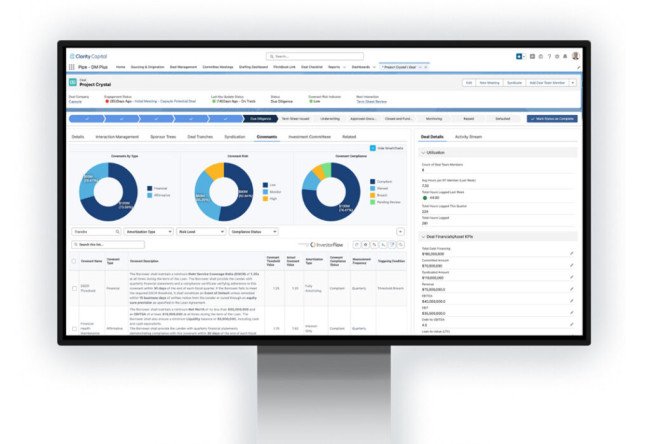
Investment firms need technology that supports the complete deal lifecycle rather than focusing only on opportunity tracking. InvestorFlow's Capital Deployment application connects AI-powered deal sourcing, relationship intelligence, centralized pipelines, and execution workflows to help teams move opportunities from origination to close.
To learn more about its technology for private markets investment teams, visit InvestorFlow.
Conclusion
Effective capital deployment requires accurate information, organized workflows, and strong collaboration across investment teams. Disconnected systems and manual processes can slow down deal evaluation and make it harder to maintain visibility across opportunities.
Capital deployment software provides a more structured approach to sourcing investments, tracking pipelines, coordinating due diligence, and managing execution.
By combining centralized information with AI-powered insights and automated workflows, investment firms can improve deal visibility, reduce administrative work, and make more informed decisions throughout the investment lifecycle.












Comments
0 comment