
PRP Hair Treatment in 2026: Should You Combine PRP With Other Hair Loss Treatments for Better Long-Term Results?
Learn how PRP hair treatment works in 2026 and whether combining PRP with other hair loss treatments can improve long-term results.

When a woman in her early 30s started noticing more scalp showing through her hair part, she first believed it was a temporary problem. She thought stress, lifestyle changes, or daily habits were causing the change. However, after speaking with a dermatologist, she learned that she was experiencing androgenetic alopecia, a common form of pattern hair loss.
She shared her experience with Allure, explaining how she tried different approaches before exploring PRP treatment. After discussing options with her dermatologist, she received PRP sessions, where her own blood was processed to concentrate platelets and growth factors before being injected into the scalp. Over time, she noticed small new hairs and better coverage around her part. Her dermatologist also explained that PRP results develop gradually and need months before meaningful changes can be evaluated.
Her experience highlights a common question among people dealing with hair thinning:
Can combining PRP with other hair loss treatments provide better long-term results than using PRP alone?
The answer is that combination treatment may help some people achieve better outcomes because different treatments work in different ways. PRP supports the health of existing hair follicles, while other treatments may target different causes of hair loss. However, the right approach depends on why hair loss is happening, how advanced it is, and whether the follicles are still active.
For people in the Netherlands searching for a non-surgical approach, understanding how PRP works and when it makes sense to combine it with other treatments can help them make better decisions about their hair health.
What Is PRP Hair Treatment and How Does It Help With Hair Loss?
PRP stands for platelet-rich plasma. It is a treatment that uses a person’s own blood to support the natural repair processes of the body.
During the procedure, a small blood sample is taken and placed into a centrifuge. This separates the plasma that contains a higher concentration of platelets. These platelets contain growth factors that play a role in tissue repair, healing, and regeneration.
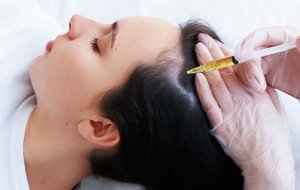
The concentrated plasma is then injected into areas of the scalp where hair is becoming thinner.
The main goal of PRP is not to create completely new hair follicles. Instead, it aims to support follicles that have become weaker but are still capable of producing hair.
This difference is important because many people expect hair loss treatments to restore all lost hair. In reality, treatments usually work best when started while follicles are still active.
A person with early thinning may have a better response compared with someone who has had completely bald areas for many years because inactive follicles cannot easily be restarted.
Hair loss research has grown significantly in recent years. A 2025 systematic review titled “Platelet-Rich Plasma Effectiveness in Treating Androgenetic Alopecia” reviewed 156 scientific articles and included 11 studies published between 2020 and May 2024 after applying research standards. The review found that most included studies reported improvements in hair density and hair thickness among people with androgenetic alopecia.
Why PRP Alone May Not Solve Every Hair Loss Problem
Hair loss is usually not caused by one single factor.
For many people, especially those experiencing androgenetic alopecia, genetics play an important role. Hair follicles become sensitive to hormones such as dihydrotestosterone (DHT). Over time, this sensitivity causes follicles to become smaller and produce thinner hair.
PRP may support these weakened follicles, but it does not directly address every reason behind hair loss.
This is why many specialists look at hair restoration as a complete process rather than relying on one treatment.
A simple comparison is caring for a plant. PRP can provide nutrients that improve the environment around the plant, but if another factor is damaging the plant, that problem also needs attention.
The same idea applies to hair.
A combined treatment approach may include:
-
PRP treatment: Supports the scalp environment and provides growth factors that may help existing follicles.
-
Minoxidil: Helps stimulate hair growth activity and supports the hair growth cycle.
-
Microneedling: Creates controlled stimulation in the scalp that may support repair processes.
-
Lifestyle improvements: Address factors such as poor nutrition, stress, and unhealthy habits that may affect hair quality.
The goal is not to use every available treatment. The goal is to choose treatments that match the actual cause of hair loss.
PRP Alone vs PRP Combined With Other Treatments
One of the biggest decisions people face is whether they should choose PRP alone or combine it with another treatment.
Both options can have a place depending on the situation.
When PRP Alone May Be Suitable
PRP alone may be considered for people who:
-
Have early-stage hair thinning
-
Want a minimally invasive option
-
Still have active hair follicles
-
Prefer a treatment using their own biological material
For someone with mild thinning, supporting existing follicles may be enough to improve hair quality and reduce visible scalp areas.
However, PRP alone may not address every factor causing ongoing hair loss.
When Combination Treatment May Make More Sense
Combining PRP with another treatment may be considered when a person wants to target multiple parts of the hair loss process.
For example, a person experiencing genetic hair thinning may need support for follicle health while also slowing down the factors causing follicle weakening.
This is where combination treatment becomes useful.
A 2023 meta-analysis published in Dermatologic Surgery reviewed PRP treatment for androgenetic alopecia and found improvements in hair density at 3 months and 6 months compared with placebo groups. The researchers also reported that serious side effects were not found in the included studies.
However, the research also highlights an important point. PRP studies often use different preparation methods and treatment schedules, which means results can vary between individuals.
Combining PRP With Minoxidil: A Common Long-Term Approach
Minoxidil is one of the most widely used treatments for pattern hair loss. It works by helping maintain the growth phase of hair follicles and encouraging thicker hair production in some people.
PRP and minoxidil work differently.
Minoxidil focuses mainly on stimulating hair growth activity, while PRP provides growth factors that may support the environment around hair follicles.
Because they work through different mechanisms, researchers have explored whether combining them can provide better results.
A 2024 systematic review and meta-analysis published in PLOS ONE evaluated PRP combined with topical minoxidil for androgenetic alopecia. The findings suggested that adding PRP may provide additional benefits compared with individual treatments, although researchers also highlighted the need for more standardized studies.
Another 2025 meta-analysis reviewed 9 randomized controlled trials involving 451 participants and compared PRP and minoxidil outcomes. The research showed that both treatments can play a role depending on the individual patient and treatment goals.
For some people, combining PRP with minoxidil may create a more complete strategy because one treatment supports growth stimulation while the other supports follicle activity.
However, minoxidil is not suitable for everyone. Some users experience scalp irritation or other side effects, so treatment decisions should always consider personal health factors.
PRP Combined With Microneedling: Can It Improve Hair Loss Results?
Microneedling is another treatment that is sometimes combined with PRP to support hair growth.
The procedure involves creating tiny controlled injuries in the scalp using very fine needles. These small injuries activate the body’s natural healing response and may improve blood circulation in the treated area.
When PRP is added, the growth factors within the plasma may support this repair process and create a better environment around hair follicles.
A 2025 clinical study published in a PMC-indexed medical journal evaluated PRP treatment using different delivery methods, including injection and microneedling approaches, for androgenetic alopecia. The researchers reported positive treatment outcomes and found improvements in patient satisfaction with microneedling-based approaches.
However, combining PRP with microneedling does not automatically mean better results for everyone.
The outcome depends on several factors, including:
-
The reason behind hair loss
-
The stage of hair thinning
-
The condition of existing hair follicles
-
The consistency of the treatment plan
For someone with active but weakened follicles, improving the scalp environment may provide additional support. However, for someone with completely inactive follicles, the expected benefit may be limited.
How Long Does It Take to See Results From PRP Combination Treatments?
One of the most important things to understand about PRP is that it is not an instant solution.
Hair growth follows a natural cycle. Even when a treatment is working, follicles need time to respond before visible changes appear.
Many PRP treatment plans involve multiple sessions rather than a single appointment. A common approach includes around three sessions, usually spaced several weeks apart. After the initial treatment phase, some people may need maintenance sessions depending on their hair condition and ongoing hair loss pattern.
A realistic timeline often looks like this:
-
First few weeks: The scalp may feel different after treatment, but major visible changes are usually not expected.
-
Around 3 months: Some people may notice reduced shedding or early improvements in hair quality.
-
Around 6 months and beyond: Changes in hair thickness and density become easier to evaluate.
A meta-analysis published in the International Journal of Trichology reviewed PRP studies and reported improvements in hair density after treatment. One analysis showed average hair density increasing from approximately 141.9 hairs/cm² to 177.5 hairs/cm² after PRP therapy.
These results show why PRP is considered a promising option for hair thinning. However, they should not be viewed as a guarantee because outcomes depend on genetics, age, overall health, and the stage of hair loss.
Who May Benefit Most From Combining PRP With Other Treatments?
Combination therapy is generally considered more useful for people who still have active hair follicles but are experiencing gradual thinning.
People who may benefit include those experiencing:
-
Early or moderate pattern hair loss
-
A widening hair part
-
Thinning around the crown area
-
Reduced hair density
-
Increased shedding while follicles are still active
The timing of treatment matters.
Someone who notices gradual thinning over the past year may have a different opportunity for improvement compared with someone who has had advanced baldness for many years.
PRP works by supporting existing follicles. It cannot restore follicles that are permanently lost.
This is why identifying hair loss early can make a difference. Understanding the cause of hair loss allows people to choose treatments that match their specific situation instead of trying random solutions.
When PRP May Not Be the Right Choice
Although PRP has shown positive results for androgenetic alopecia, it is not suitable for every type of hair loss.
Hair loss can happen because of many different reasons, including:
-
Hormonal changes
-
Nutritional deficiencies
-
Certain medical conditions
-
Autoimmune disorders
-
Stress-related shedding
-
Scalp inflammation or infections
For example, someone experiencing sudden hair loss after an illness may need a different approach compared with someone experiencing genetic hair thinning.
A proper diagnosis is important because treating the wrong cause may delay the right solution.
PRP is also not a replacement for a hair transplant in cases where follicles are completely inactive. It may support existing hair, but it cannot recreate follicles that are no longer functioning.
What Should People in the Netherlands Consider Before Choosing PRP?
People searching for prp haar behandeling in the Netherlands are often looking for a safe, evidence-based, and non-surgical approach to manage hair loss.
However, choosing a treatment should not be based only on online advertisements or before-and-after images.
A proper consultation should focus on:
-
Identifying the actual cause of hair loss
-
Understanding whether follicles are still active
-
Discussing realistic treatment outcomes
-
Deciding whether PRP alone is enough or if combination therapy makes sense
Many people prefer minimally invasive treatments before considering more advanced procedures. PRP fits into this category because it uses the patient’s own blood components.
For Dutch readers, another important point is that hair loss is not always only a cosmetic issue. Changes in hair growth can sometimes be linked to nutritional deficiencies, hormonal changes, or other health-related factors.
Finding the reason behind hair loss is the first step toward choosing the right treatment.
Frequently Asked Questions About PRP Combination Treatments
Is PRP better when combined with other hair loss treatments?
For some people, combining PRP with treatments such as minoxidil or microneedling may provide additional support because each treatment works differently.
PRP focuses on supporting the scalp environment and existing follicles, while other treatments may target different causes of hair thinning.
However, combination therapy is not automatically better for everyone. The right approach depends on the person’s type of hair loss and treatment goals.
How do I know if PRP is suitable for my hair loss?
PRP is generally more suitable for people who have thinning hair but still have active follicles.
A consultation can help determine whether the follicles are still capable of responding and whether PRP fits the person’s condition.
How many PRP sessions are usually needed?
Many treatment plans begin with around three sessions spaced several weeks apart.
The exact number depends on factors such as hair loss severity, treatment response, and whether PRP is combined with another therapy.
Can PRP stop hair loss permanently?
PRP is not considered a permanent cure for all types of hair loss.
It may help support existing follicles and improve hair density, but factors such as genetics can continue influencing hair growth over time.
Some people may require maintenance treatments to maintain improvements.
Can PRP grow hair in completely bald areas?
PRP works mainly by supporting weakened but active follicles.
It is unlikely to restore hair in areas where follicles are completely inactive.
This is why early treatment is often considered more beneficial.
Choosing the Right Long-Term Approach for Hair Health
PRP hair treatment has become an important option for people looking for non-surgical ways to manage hair thinning. Research shows that PRP may improve hair density and support healthier follicle activity, especially in people with androgenetic alopecia.
The question is not whether PRP is better than every other hair loss treatment. The more important question is whether it matches the individual’s situation.
For some people, PRP alone may provide valuable support. For others, combining PRP with treatments such as minoxidil or microneedling may offer a broader approach by targeting different parts of the hair loss process.
The best long-term results usually come from understanding the cause of hair loss, choosing evidence-based treatments, and following a consistent plan.
PRP can be a useful part of managing hair thinning, but realistic expectations and the right treatment strategy are what make the biggest difference over time.











Comments
0 comment