
How to Fix a Smartphone That Won’t Download or Send Picture Messages
Mobile Device Techs understands how frustrating smartphone messaging problems can be. Whether you need Cell Phone Repair in Douglasville, GA, Samsung Tablet Repair in Douglasville, GA, Samsung Phone Repair Douglasville, GA, or iPhone repair in Douglasville, GA, identifying the reason behind an MMS or picture-message problem can help you find the right solution.

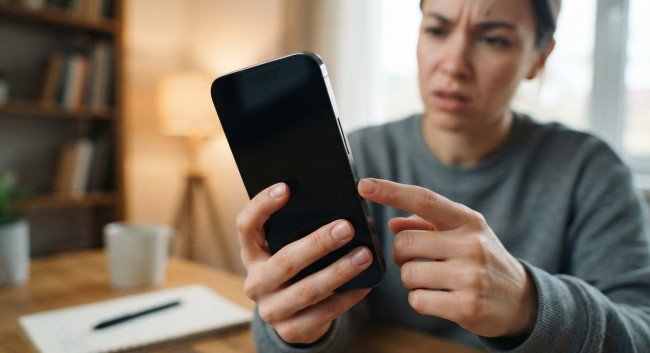
Picture messaging is one of the easiest ways to share photos, screenshots, videos, and other media with friends, family, and coworkers. However, it can be frustrating when your smartphone suddenly refuses to send or download picture messages. You may see a message that says “Failed to send,” a download button that does nothing, or a picture message that remains stuck while trying to load.
Mobile Device Techs understands how frustrating smartphone messaging problems can be. Whether you need Cell Phone Repair in Douglasville, GA, Samsung Tablet Repair in Douglasville, GA, Samsung Phone Repair Douglasville, GA, or iPhone repair in Douglasville, GA, identifying the reason behind an MMS or picture-message problem can help you find the right solution.
Picture messages can depend on several services working together, including your cellular connection, mobile data, messaging application, carrier settings, device storage, and software configuration. Because of this, a problem with any one of these areas can prevent pictures from being sent or downloaded.
Fortunately, many picture-message problems can be resolved with basic troubleshooting. This guide explains the most common causes and the steps you can take to restore picture messaging on your smartphone.
What Are Picture Messages?
Picture messages are commonly sent through multimedia messaging services, often referred to as MMS. Unlike a basic SMS text message, an MMS can contain photos, videos, audio files, and other types of media.
MMS generally relies on cellular network settings and mobile data to transmit multimedia content. This means you can sometimes have a strong Wi-Fi connection but still experience problems sending or receiving picture messages if mobile data or carrier settings are not working correctly.
Modern messaging applications may also use internet-based messaging services, so the exact process can vary depending on your smartphone, messaging app, carrier, and recipient.
Understanding this difference is useful when troubleshooting a picture-message problem.
1. Check Your Mobile Data Connection
One of the first things to check is mobile data.
Even if your smartphone is connected to Wi-Fi, traditional MMS messages may require mobile data to be enabled.
Open your phone's connectivity settings and make sure mobile data is turned on. Then try sending or downloading the picture message again.
If mobile data is already enabled, turn it off, wait a few seconds, and turn it back on. This can refresh the cellular data connection.
If you are in an area with weak cellular coverage, move to a location with a stronger signal and try again.
2. Check Your Cellular Signal
A weak or unstable cellular signal can interfere with picture messages.
Look at the signal indicator on your phone. If you have very few bars or see a message indicating limited service, MMS messages may fail to send or download.
Try moving outdoors or to another location with stronger coverage.
You can also test whether regular text messages and phone calls work correctly. If all cellular services are experiencing problems, the issue may be related to your carrier connection rather than the messaging application.
3. Restart Your Smartphone
A simple restart can resolve temporary connectivity and messaging problems.
Restarting your phone refreshes network connections and system services that may have become stuck.
After restarting, wait for your phone to reconnect to the cellular network. Make sure mobile data is enabled, then try sending or downloading the picture message again.
If the issue disappears after restarting but returns frequently, there may be a deeper software or network configuration problem.
4. Check Airplane Mode
Airplane Mode disables wireless communication features on most smartphones.
If Airplane Mode is accidentally enabled, your phone may not be able to use cellular services normally.
Open the quick settings or control center and make sure Airplane Mode is turned off.
If it is already off, you can temporarily enable it, wait several seconds, and then disable it again. This can force the phone to reconnect to the cellular network.
Once the cellular signal returns, test picture messaging.
5. Make Sure You Have Enough Storage
Your smartphone needs available storage to download and save photos and other media.
If your phone's internal storage is almost completely full, incoming picture messages may fail to download.
Check your storage settings and remove unnecessary files if space is limited.
You may be able to free up space by deleting:
- Old videos
- Duplicate photos
- Unused applications
- Downloaded files
- Large attachments
- Unnecessary cached data
After freeing up storage, restart the messaging application and try downloading the picture again.
6. Check the Messaging App
The messaging application itself may be experiencing a temporary problem.
Close the application completely and reopen it. If you are using an Android smartphone, you may also be able to clear the application's cache through the app settings.
Be careful when clearing application data because the exact options vary by device and may affect locally stored information.
If the problem continues, check whether the messaging application has an available update.
Keeping the app updated can help resolve bugs and compatibility issues.
7. Check Your APN Settings
Access Point Name, or APN, settings help your smartphone connect to your carrier's mobile data and multimedia messaging services.
Incorrect APN settings can cause problems with MMS even when regular phone calls and text messages appear to work normally.
APN settings vary between carriers, so do not enter random values from an unofficial source.
If you recently changed carriers, inserted a new SIM card, changed network settings, or reset your phone, incorrect APN settings may be worth investigating.
Contact your carrier for the correct configuration if necessary.
8. Check Your Carrier Account
Picture messaging can sometimes be affected by account-related issues.
For example, your carrier account may have a service restriction, an expired plan, a billing-related issue, or a network problem.
If you recently changed your plan or carrier, verify that MMS is included and active on your account.
You can also contact your carrier to ask whether there are known outages affecting messaging services in your area.
If the carrier confirms that your account and network are working normally, continue troubleshooting the phone itself.
9. Check the Recipient's Phone Number
If you cannot send a picture message to one particular person, verify that the recipient's phone number is correct.
A problem with one contact does not necessarily mean that your smartphone is malfunctioning.
Try sending a picture to another contact. If the message works successfully, the problem may be related to the original recipient, their device, network, or contact information.
This simple test can help determine whether the issue is widespread or limited to one conversation.
10. Reduce the Size of the Picture
Some carriers and messaging systems place limits on the size of multimedia messages.
If a very large photo or video fails to send, try sending a smaller image.
You can also try sending a different photo from your gallery. If smaller images send successfully while large files fail, the problem may be related to the media-size limit.
Messaging applications that use internet-based services may have different file-size requirements, so check the specific service if necessary.
11. Update Your Smartphone Software
Outdated operating-system software can sometimes cause problems with messaging, cellular connections, or applications.
Check your phone's software settings for available updates.
Before updating, ensure that the battery is sufficiently charged and important information is backed up.
Once the update is complete, restart the phone and test picture messaging again.
Software updates can include bug fixes and improvements to network compatibility.
12. Reset Network Settings
If picture messaging still does not work, resetting network settings may help.
This process varies depending on the smartphone manufacturer, but it generally resets cellular, Wi-Fi, Bluetooth, and other network configurations.
Keep in mind that resetting network settings may remove saved Wi-Fi networks and Bluetooth pairings.
After the reset, reconnect to Wi-Fi, confirm that mobile data is enabled, and test picture messaging again.
If the problem was caused by corrupted network configuration, this may restore normal operation.
13. Check SIM Card and Cellular Connectivity
A damaged, improperly installed, or malfunctioning SIM card can cause cellular service problems.
If your phone is also experiencing difficulties with calls, regular text messages, or mobile data, inspect the SIM card and its connection.
If your device supports an eSIM, check that the cellular plan is properly activated.
Do not repeatedly remove a physical SIM card unless necessary. If you suspect the SIM itself is damaged, contacting your carrier for a replacement may be appropriate.
14. When Should You Seek Professional Phone Repair?
If you have tried the troubleshooting steps above and picture messaging still does not work, professional assistance may be useful.
A technician can help determine whether the problem is related to the phone's software, cellular hardware, SIM connection, or another internal component.
Professional inspection is especially important if the phone has recently:
- Been dropped
- Been exposed to water
- Experienced a failed repair
- Developed multiple connectivity problems
- Lost cellular service unexpectedly
- Started experiencing problems after physical damage
If the phone cannot maintain a cellular connection at all, there may be a hardware problem requiring further diagnosis.
How to Prevent Future Picture-Messaging Problems
Keeping your smartphone properly maintained can reduce the likelihood of recurring messaging problems.
Keep your operating system and messaging applications updated. Monitor your available storage and regularly remove unnecessary files.
Make sure mobile data is enabled when required for MMS and keep your cellular plan active. If you change carriers, verify that the new SIM or eSIM and network settings are properly configured.
Avoid making unnecessary changes to APN settings unless you have the correct information from your carrier.
It is also useful to maintain a strong cellular connection whenever you need to send large multimedia messages.
Final Thoughts
A smartphone that will not send or download picture messages can be affected by several different issues, including disabled mobile data, weak cellular service, insufficient storage, incorrect APN settings, messaging-app problems, outdated software, or carrier-related issues.
Start with the simplest solutions by checking mobile data, cellular signal, Airplane Mode, storage, and the messaging application. If the problem continues, checking network settings and contacting your carrier can help determine whether the issue is related to your account or network.
When basic troubleshooting does not solve the problem, professional diagnosis may be necessary, especially if your phone is experiencing other cellular or hardware issues.
For dependable smartphone assistance, Mobile Device Techs can help customers seeking Cell Phone Repair in Douglasville, GA, Samsung Tablet Repair in Douglasville, GA, Samsung Phone Repair Douglasville, GA, and iPhone repair in Douglasville, GA. Proper troubleshooting and professional repair can help restore reliable messaging and keep your smartphone connected when you need it most.












Comments
0 comment